



Real-time financial data also provides access to financial information so that users and businesses can make informed decisions. Dashboards, reports, and transaction tracking can give an insight into performance, expenditure, and trends.
These are insights that go further than mere functionality and assists business to expand strategically.
The real estate market has evolved at a very high pace in recent years. Buyers no longer rely on agents or physical visits to discover properties. Sellers desire extended reach, faster responses, and enhanced visibility. For startups entering this market, a solid digital presence is essential for survival.
A robust real estate listing portal enables startups to unite the properties, users, and data on a single platform. It becomes the foundation for development, customer confidence, and long-term success.
This guide presents a transparent, systematic, and future-proof approach to how startups could tackle the software development of real estate listing portals.
What Is a Real Estate Listing Portal?
A real estate listing portal is a web-based platform where real estate is advertised with crucial information like the location, property price, images, and booking or scheduling availability. With the help of the portal, users can search, filter, and inquire about the properties.
Real estate listing portals are data-driven compared to basic websites. They introduce a network between users, property information, agents, and backend solutions. As such, it is common for many startups with listing portals to be integrated with more comprehensive real estate development software to operate more effectively.
Why Real Estate Listing Portals Matter for Startups?
In the case of startups, the most significant problem is their competition with well-established platforms. A listing portal assists in equalising the playing field by providing direct contact with buyers, sellers, and agents.
A contemporary listing site assists startups by:
- Targeting more people without expensive offline advertising
- Providing real-time information about the property
- Gaining trust by being transparent and upfront
- Reducing the sales processing time by eliminating manual work
At this stage, smart real estate software development services become very important. When developed properly, the platform expands with the business rather than restricting it.
Types of Real Estate Listing Portals Startups Can Build
Not every listing portal is created with the same purpose. Startups are expected to determine their focus early.
The most common portal types include:
- Residential portals
- Commercial portals
- Rental-focused portals
- Niche portals
These four types have unique demands for real estate software development services, particularly in terms of features and integrations.
How a Real Estate Listing Portal Works?
A real estate listing portal operates by unifying property information and users into a centralized platform. It makes the entire discovery process of a property quicker and more trustworthy, simplifying the search, communication, and management of the property.
1. Property Listing and Data Management
The property agent or developer posts information on the property, including location, price, size, photographs, and availability, using a secure account. All this information is kept secure and categorized to let the buyers or renters search and compare the properties depending on their requirements.
2. Search, Interaction, and Updates
Through the portal, users can filter, visit property pages, save listings, and contact sellers/agents. The system also maintains user accounts, real-time updating of listings, and only correct and approved information is displayed.
Accurate Listings via IDX and MLS Integration
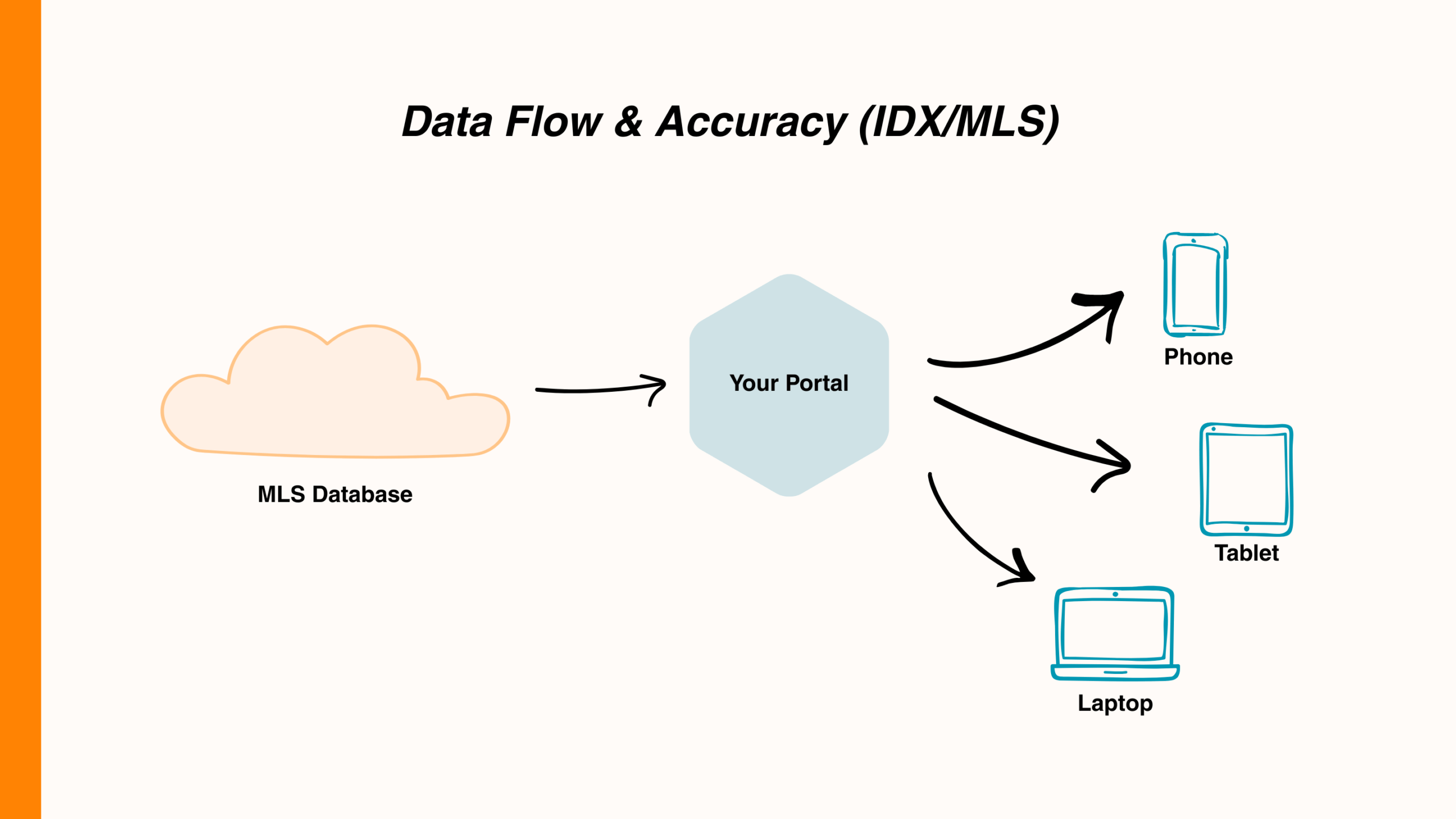
One of the most significant aspects of real estate platforms is accuracy. Old listings decrease confidence and heighten frustration among the users.
Why IDX Integration Matters
Internet Data Exchange (IDX) enables listing portals to access real-time information that has been supplied by the Multiple Listing Service (MLS). This will make sure that property information, prices, and availability are updated.
MLS and RESO Web API Integration
The adoption of Real Estate Standards Organization-compliant APIs is useful in ensuring that data formats are similar in all systems. In the case of startups, it minimises errors and makes it easier to maintain the platform in the long term.
The integration of IDX and MLS is also frequently discussed in the context of a custom development of real estate software because each of the businesses has specific data and compliance requirements.
UX Design Principles That Drive Conversions
Now that we’ve understood how a real estate listing portal works, let’s focus on the design and user experience aspect of the system and how it feels for the user.
Simple Navigation and Clean Designs
After the main functionality of a real estate portal is completed, the second concern is the user experience, or how the system feels when individuals use it. Portals can be highly functional, yet unless they are simple to navigate or comfortable to operate, users are not likely to remain active.
Mobile-First Design
A significant number of users scan the properties using their cell phones. The mobile-first approach will also make sure that the portal will be compatible with any screen size without slowing down or becoming less informative. The responsive design also enables users to search, browse listings, and act without much strain, regardless of their device, be it a phone, tablet, or desktop.
Design does not simply refer to outward appearance. It has a direct bearing on the interaction of the users with real estate development software in their day-to-day activities. A properly created portal is user-friendly, trustworthy, and convenient, and the user will be motivated to go back and interact more frequently.
Backend Architecture and Scalability
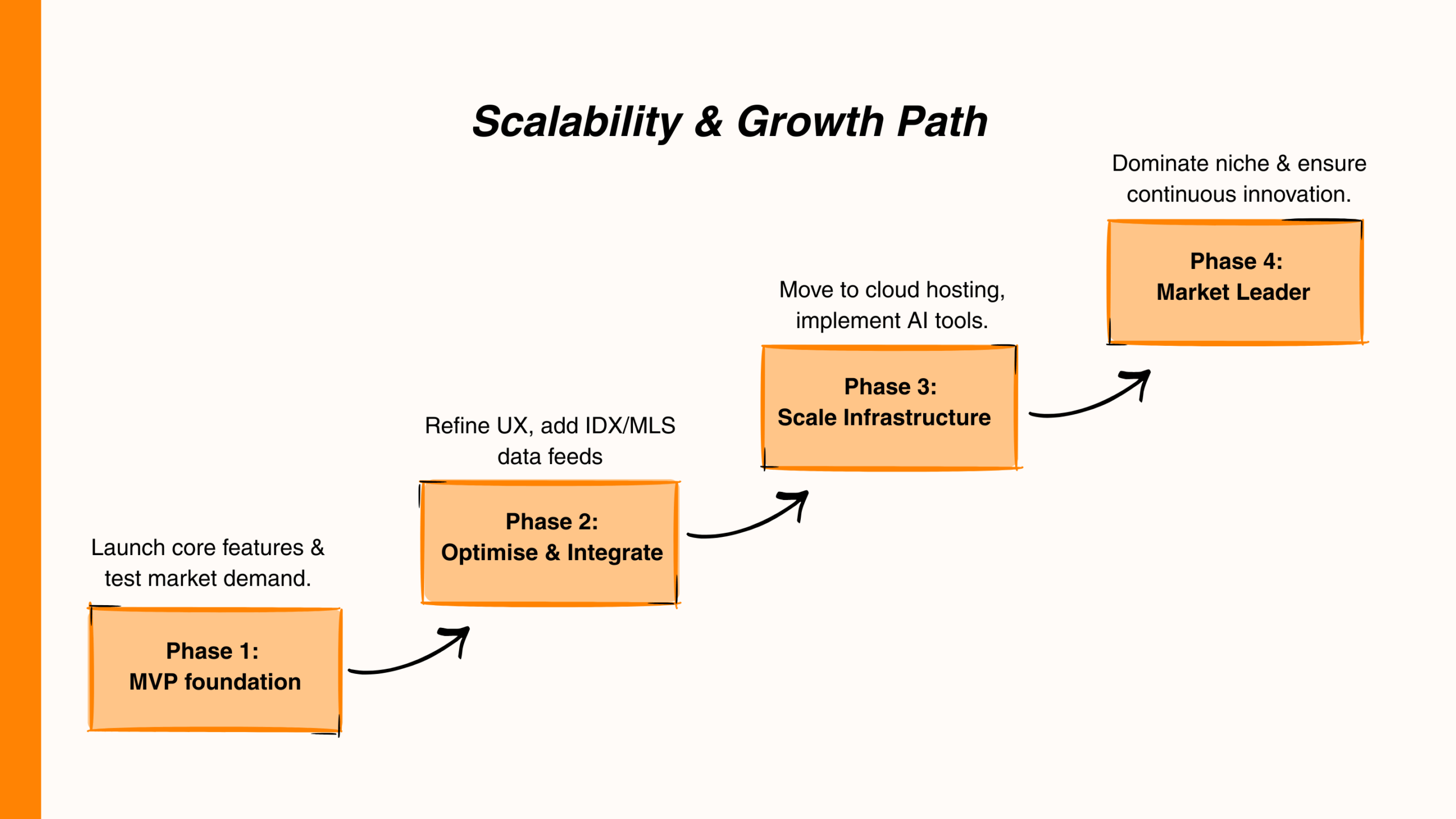
As traffic and listings increase, the backend must handle increased load without performance issues.
Selecting the Right Technology Structure
With a growing real estate portal, the system that drives it must be capable of handling an increasing amount of data, users, and traffic without becoming sluggish. When many users access the platform at the same time, the system may respond slowly or stop working if it is not built to handle increased load, causing scalability issues. A robust backend is important to ensure that the platform is stable and reliable even when the traffic is at its peak.
The back-end is supposed to handle large amounts of property listings, pictures, and user accounts, as well as search requests simultaneously. Scalable structure enables the platform to expand continuously and add more features or locations, or user roles, without having to completely recreate a system.
Cloud Hosting and Data Backup
Cloud hosting will assist the platform in managing the heavy traffic by scaling the resources according to demand. This guarantees a steady performance despite having a large number of users at any given time. Data backup services ensure that valuable data like property details, user records, and transaction records are stored on a regular basis, decreasing the threat of data destruction.
Developed backend will transform a listing portal into a reliable real estate development management software that can achieve high volumes of data and support long-term business development.
Monetisation Options for Listing Portals
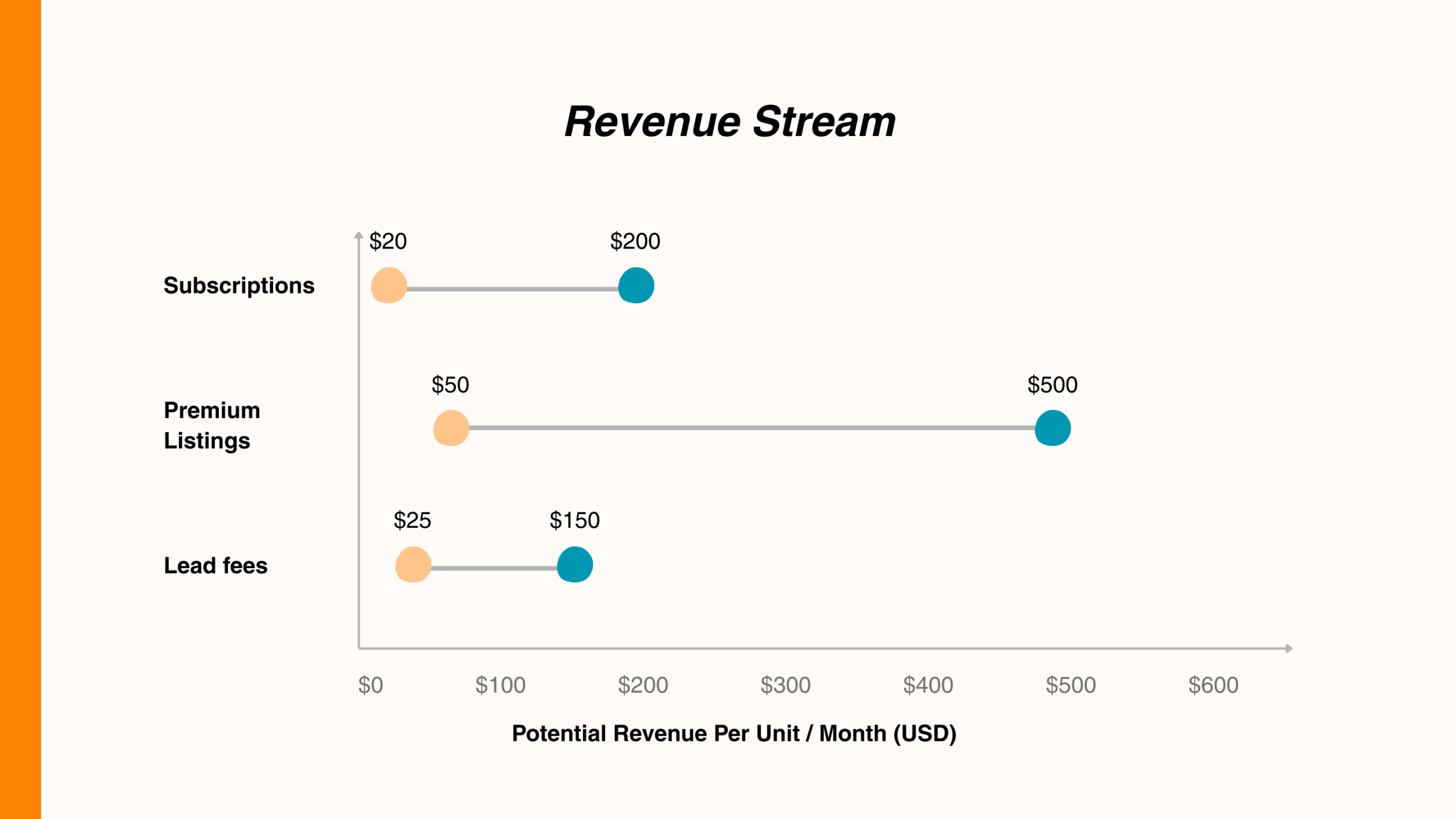
There are a few ways through which real estate listing portals can generate revenue without compromising trust:
- Subscription plans require agents to pay a monthly or annual fee for added visibility or tools, and also offer consistent revenue, typically ranging from $20 to $200 each month.
- Premium listings enable sellers to pay more to increase property visibility, typically ranging between $50 and $500 per listing, but must be restricted, or else overexposure will be a problem.
- Increased revenue is possible through lead fees, with agents only paying on actual leads ($25-$150 per lead), and also through relevant advertising by related service providers, potentially earning $500-$2,000 and over per month.
- Other platforms also charge transaction commissions of approximately 3-6% or referral services that impose 5-15% of additional revenue, but must be carefully transparent.
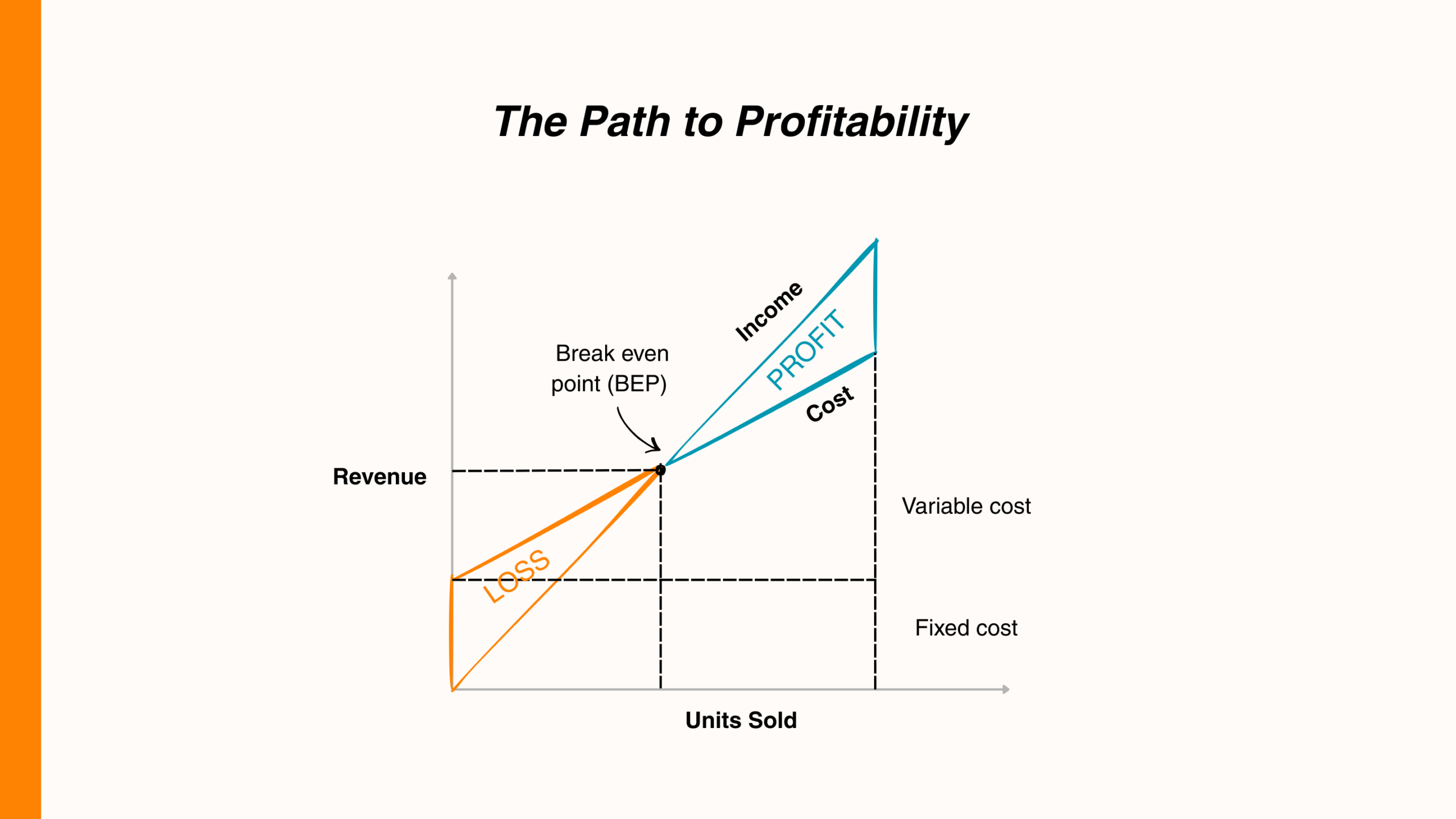
- Costs of development range between a simple portal of $5,000-$15,000 to more complex platforms of $150,000 or above, with monthly maintenance of between $5,000-440,000 or above. Most portals achieve breakeven in 12-24 months, provided that traffic is on a steady increase.
The most feasible is to begin small, concentrate on subscriptions, premium listings initially, and introduce lead-based pricing later as quality is established, and maintain a light advertising load to preserve the trust of the users.
Security and Compliance in Real Estate Platforms
The real estate companies should be guided by the local data and property laws. Legal risks are minimised, and operations are facilitated through compliance tools.
Professional real estate software development services depend on security and compliance as fundamental aspects.
Applying AI Chatbots and Virtual Assistants
AI chatbots and virtual assistants help real estate listing portals respond to user questions instantly and guide them to relevant properties. They reduce manual support effort while ensuring consistent and timely communication. AI-enabled automation also manages routine tasks like updates and notifications, improving overall efficiency.
Artificial intelligence chatbots and social robots enhance interaction with users without eliminating human interaction.
They help by:
- Responding to general questions about property.
- Leading users are using listings.
- Favouring a quicker response time.
These tools are efficient when properly applied and make the communication professional and helpful.
Post-Launch Support and Continuous Improvement
The importance of Ongoing Support
A listing portal is not a service that ceases to evolve. The system is made reliable by regularly updating it, fixing bugs, and checking performance.
Platform Monitoring and Optimisation
Monitoring user activity enables startups to achieve better search results, navigation and use of features.
This is a long-term support model that forms a significant aspect of scale-based custom real estate software development.
Common Mistakes Real Estate Startups Make And How to Avoid it
The Handling of Volumes of Data
- Housing advertisements develop at a fast rate. Platforms without the proper structure may slow down or reveal wrong information.
The Competitive Environment
- New platforms should be trusted. The consistency, accuracy, and usability have a significant influence on the retention of users.
Unfinished Development
- Most real estate business ventures put a lot of emphasis on features and design without having a clear idea of what buyers, sellers or agents require. This frequently leads to a platform that appears finished but does not address actual issues or promote routine usage.
- Early planning of these challenges assists startups in preventing expensive redesigns in the future.
How to Avoid It:
- Take time to talk to users prior to development. Interview and conduct feedback sessions with them to know their daily challenges, expectations and the decision making process.
- A basic version of the platform that addresses one or two critical problems effectively is a good place to start, then make it better over time in response to actual user behavior and feedback.
How Quixta Helps Real Estate Startups
Quixta assists real estate startups in transforming concepts into dependable readymade digital platforms. We start by knowing about your business objectives, targeted users and your market challenges via organized onboarding and research. This makes the product be constructed based on actual user requirements, rather than conjecture. We are committed to being clear, fast, and value-oriented in the long-term, ensuring that startups can launch without re-work and scale without re-work.
- We create and build custom real-estate listing portals and web applications which are convenient to use, quick and secure.
- Property listings, search, and user accounts, agent dashboards, and enquiry management: each feature will be developed with your business model in mind.
- Our mobile-first strategy implies designing user-friendly layouts, which intuitively lead a user to the desired action: enquiry, registration, or booking.
- Quixta also gives a boost to startups regarding the development of MVPs, where you can get started fast with the basic needs, test the demand, and enhance it according to the real feedback.
- Our process is transparent, we have clear timelines and plan everything, eliminating any uncertainty and delays. In contrast to template-based agencies, we solely concentrate on systematic implementation with research, testing, and quality scrutiny prior to implementation.
- Once you launch we still help you with free post-launch maintenance, performance monitoring and updates. This makes sure that your product remains stable, secure and is prepared to grow.
Through Quixta, real estate startups will have a trusted technology partner, dedicated to developing platforms that users can trust and businesses can scale.
Who Quixta Is Best Suited For
Quixta is a strong fit for startups that want to build a scalable, long-term real estate platform, value clean architecture and data accuracy, and are planning for future growth rather than short-term experimentation. Learn more about Quixta’s real estate software development services here:
Conclusion
In the case of start-ups, a real estate listing portal is not merely a web product. It is a business foundation. Through proper planning, design and real estate software development management strategy, startups are able to create platforms that can expand alongside their vision.
We feel that powerful technology and intelligent design leave a long-lasting impression at Quixta. Our emphasis on developing custom real estate software enables real estate startups to move forward with confidence, clarity, and purpose.
Frequently Asked Questions
A bespoke platform allows startups to have complete control over features, data, and user experience to enable them to scale without restrictions.
Yes. We develop mobile-first platforms to enable users to have access to listings and tools from any device.
Listing of property, advanced search, profiles, tracks inquiries, document storage, and reports.
Yes. Our support is ongoing, we update it regularly, we track the performance and we make improvements continuously.
You can also approach us directly to discuss your needs and have a solution designed specifically for your business.
